
What Is the Best Blanket for Winter?
Choosing the best blanket for winter sounds simple until you actually start comparing options. Most blankets are marketed as “warm” or “cosy,” yet the difference in performance becomes obvious the moment temperatures drop. Some retain heat well but feel heavy or restrictive, while others are soft and lightweight but struggle to provide enough insulation during colder nights.
The reality is that warmth alone doesn’t determine whether a blanket works in winter. The material, how it traps heat, how breathable it is, and how practical it feels in daily use all contribute to whether it becomes something you reach for every evening or something that ends up folded away.
What Actually Makes a Blanket Warm?
Warmth is often misunderstood as a function of weight, but in practice it comes down to insulation. Materials that trap air close to the body create a layer of retained heat, which is what keeps you warm. This is why some relatively lightweight blankets outperform heavier ones, particularly when their structure is designed to hold air efficiently.
At the same time, insulation alone is not enough. A blanket that traps too much heat without allowing airflow can quickly become uncomfortable, especially indoors where room temperatures are not constant. The best winter blankets maintain a steady level of warmth while still allowing enough breathability to prevent overheating.
This balance is what separates a blanket that feels good initially from one that remains comfortable throughout the evening or night. It also explains why material choice matters far more than appearance when comparing options.
Best Blanket Materials for Winter
Different materials behave very differently in winter conditions, and understanding those differences is the most useful way to narrow down your options. Rather than focusing on brand or design, it’s more effective to look at how each material performs in terms of heat retention, comfort, and practicality.

Snuggle Sherpa Blanket
Snuggle Up in Ultimate Comfort with the Snuggle Sherpa Blanket Introducing the Snuggle Sherpa Blanket - your go-to companion for unparalleled cosin...

Paris Weave Jacquard Fleece Blanket
Classic French-Inspired Fleece Design Inspired by timeless French design, the Paris Weave Jacquard Fleece Blanket features a woven geometric tex...

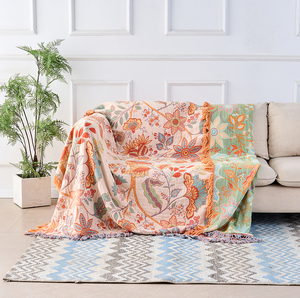
Rustic Artistic Flora Blanket | 100% Cotton Floral Blanket
Art You Can Snuggle: Your personal signature on comfort The Rustic Artistic Flora Blanket is a versatile, all-season cotton throw that blends be...
Sherpa — High-Insulation for Colder Conditions
Sherpa is one of the warmest blanket materials available because of its thick, wool-like pile. This structure creates dense pockets of air that hold heat extremely effectively, making sherpa particularly suited to colder rooms or environments where additional insulation is needed.
The trade-off is that sherpa blankets tend to feel heavier and less breathable than other options. For some people, this adds to the sense of comfort, especially when used on a sofa during colder evenings. For others, it can feel too warm over longer periods, which is why sherpa is often used as a secondary blanket rather than the only one in use.
Fleece — Balanced for Everyday Use
Fleece sits in a more practical middle ground. It provides strong insulation without the weight and bulk associated with heavier materials, which makes it more comfortable for extended use across both living spaces and bedrooms.
Its real advantage becomes clear over time. Fleece is easy to maintain, holds its shape after repeated washing, and dries quickly, making it far more convenient for daily use. This combination of warmth and usability is why fleece is often the most widely used winter blanket material.
Casa & Beyond fleece blankets are designed around this balance, offering good insulation for colder months while remaining lightweight and easy to use as part of a daily routine.
Wool — Natural Temperature Regulation
Wool has long been used as a winter material because of its ability to retain heat while still allowing airflow. Unlike synthetic options, wool naturally regulates temperature, which helps prevent the build-up of excessive heat while still providing consistent insulation.
This makes it particularly effective in colder climates, where maintaining warmth over longer periods is more important than immediate comfort. However, wool’s weight and maintenance requirements can make it less practical for everyday use, especially in homes where blankets are washed frequently.
Cotton — Layering in Milder Conditions
Cotton is rarely the best standalone option for winter, but it plays an important role in layered bedding. Its breathability makes it ideal as a base layer, helping regulate temperature when paired with a warmer blanket on top.
In homes where indoor heating keeps temperatures relatively stable, this kind of layering often provides more flexibility than relying on a single heavy blanket.
How to Match Your Blanket to the Way You Use It
Once the material differences are clear, the next step is matching the blanket to where and how it will actually be used. This is where many buying decisions become much easier, because a blanket that works well on a sofa may not be the best choice for overnight use, and the warmest option on paper is not always the one that feels most practical day-to-day.
Common setups that make the decision clearer:
- For the living room: Fleece and sherpa tend to work best because they feel warm quickly, stay comfortable for long periods, and are easy to keep within reach for everyday use.
- For the bedroom: Layering is often the better approach, especially if temperatures change during the night. A breathable base layer paired with a warmer top blanket gives more control than relying on one blanket alone.
- For colder homes: Sherpa or wool are usually the stronger choices because they provide more insulation and hold warmth more effectively.
- For heated homes or milder winters: Fleece or layered cotton blankets often feel more comfortable, since they provide warmth without becoming too dense or restrictive.
Comfort should still be weighed alongside warmth. A blanket that feels technically warmer but too heavy to use regularly will usually be less useful in practice than one that is slightly lighter but far easier to live with. In most homes, the right winter blanket is the one that fits naturally into your routine rather than the one with the highest insulation on paper.
Common Mistakes When Buying a Winter Blanket
One of the most common mistakes is choosing a blanket based on how it looks or feels at first rather than how it performs. Softness can be misleading, and thickness does not always translate to better insulation. Some blankets feel plush in hand but lose warmth quickly once you actually use them, while others look lighter and perform far better because of how the material traps heat.
Weight is another area where people often get it wrong. A heavier blanket can feel comforting, but that does not automatically make it warmer. In some cases, extra weight just makes the blanket feel bulky or restrictive, especially if it is being used every day on the sofa or through the night. A lighter blanket with better heat retention is often the more practical choice.
Final Thoughts
There isn’t a single blanket that works best in every situation, which is why many homes end up using more than one type. The right choice depends on how warmth is experienced in your space and how the blanket is used day to day.
For most homes, fleece is usually the best blanket for winter overall. It offers the strongest balance of warmth, comfort, and practicality, which is what matters most in everyday use. It retains heat well without feeling overly heavy, works across both living rooms and bedrooms, and is easy to wash and maintain throughout the colder months. If you want one winter blanket that is most likely to suit daily use, fleece is usually the clearest winner.
That said, the other materials still have clear strengths, they just suit more specific needs. Sherpa is the stronger choice when maximum warmth is the priority. Wool also performs well in colder environments, especially for those who prefer natural fibres and want warmth with better temperature regulation. Cotton is the outlier, not because it is less useful, but because it tends to work best as part of a layered setup rather than as a standalone winter blanket.


